Everything You Need to Know About Balayage Hair: Colour, Maintenance & Haircare Tips
Thinking about getting balayage hair? I’m sharing everything you need to know about this gorgeous hair colouring technique, including balayage vs. highlights, partial vs. full balayage, maintenance tips, and how to keep your colour looking beautiful!

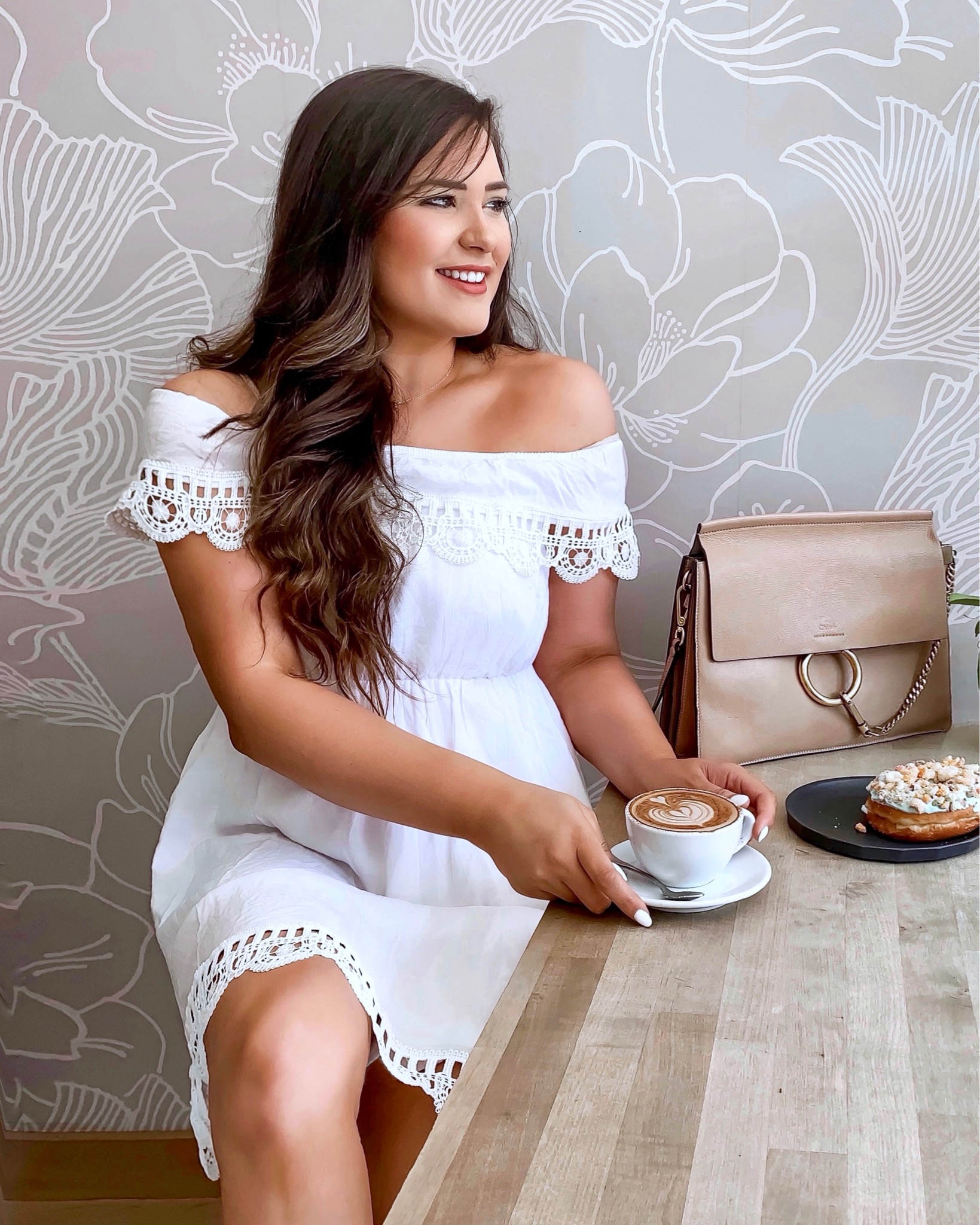
If there’s one beauty topic I get asked about ALL the time, it’s my hair! From whether my long hair is real (yes, it is!) to what hair products I use, how I style my loose curls, and which curling wand I swear by, y’all have plenty of questions. But one of the most common? What exactly is balayage hair, and is it worth getting? As someone who has experimented with everything from dark brunette hair to blonde ombré and balayage highlights, I can confidently say that finding the right hair colour can make SUCH a difference in how you feel. I love the dimension and brightness that balayage adds to my naturally dark hair without completely changing my look. Plus, who doesn’t love a hairstyle that looks gorgeous with loose, effortless waves? Today I’m answering the most common questions about balayage hair, including how it works, the difference between balayage and traditional highlights, how long it lasts, and the best ways to care for colour-treated hair. Whether you’re planning your first balayage appointment or looking for tips to maintain your current highlights, consider this your ultimate guide!


What Is Balayage Hair?
Let’s start with the basics! Balayage is a hair highlighting technique that creates soft, natural-looking dimension by strategically applying lightener or colour to selected sections of hair. The word balayage comes from the French word meaning “to sweep,” which describes the sweeping motion hairstylists use when painting colour onto the hair. Unlike traditional highlights, which often create more uniform sections of colour, balayage allows your hairstylist to customize the placement of lighter pieces. The goal is usually to create a beautifully blended effect that resembles the natural brightness your hair might develop after spending time in the sunshine. One of my favourite things about balayage is how customizable it is. Whether you want subtle caramel highlights on dark brown hair, bright blonde pieces around your face, or a dramatic dimensional transformation, the technique can be adapted to suit your natural colour and personal style.
Balayage vs. Ombré: What’s the Difference?
If you’ve ever wondered about the difference between balayage and ombré hair, you’re definitely not alone! These terms are often used interchangeably, but they actually describe different things. Balayage is a colouring technique, while ombré describes a particular colour effect. Ombré hair typically features a gradual transition from darker roots to lighter ends, creating a more noticeable difference between the top and bottom sections of your hair. Balayage, on the other hand, involves strategically placed highlights that create dimension throughout selected sections of the hair. The result is often softer and more blended, although balayage can also be used to create dramatic looks. I actually wore ombré hair before switching to balayage, and I loved both styles for different reasons. My ombré had a more noticeable dark-to-light transition, while my balayage gave me a softer, more dimensional finish. If you’re trying to decide between the two, I recommend bringing inspiration photos to your hairstylist so they can help you choose the look that best suits your hair. You can see my previous ombré hairstyle in this outfit post.
Balayage vs. Traditional Highlights: Which Is Better?
Another common question is whether balayage is better than traditional highlights. The answer really depends on the look you’re hoping to achieve and how much maintenance you’re comfortable with. Traditional highlights often involve separating small sections of hair and applying lightener with foils, sometimes beginning close to the roots. This can create an evenly highlighted appearance and may be a great choice if you want more overall brightness. Balayage typically focuses on customized placement and soft transitions, often leaving more of your natural colour visible. One of the biggest benefits of balayage is that it can grow out more gradually when the highlights are placed away from the roots. This makes it a popular option for anyone who wants beautiful hair colour without scheduling frequent root touch-ups. However, both balayage and traditional highlights can be customized, and some stylists combine painting techniques with foils to achieve a particular result. If you’re looking for a soft, dimensional hairstyle that works with your natural hair colour, balayage is definitely worth considering!
Partial Balayage vs. Full Balayage: What’s the Difference?
When I first started exploring balayage, I had no idea there were different options! Two of the most common are partial balayage and full balayage, and understanding the difference can help you decide which service to book. A full balayage involves adding highlights throughout more of your hair, including sections underneath the top layers. It’s a great option if you’re looking for a noticeable colour transformation or want brightness throughout your entire hairstyle.
A partial balayage focuses on selected sections, often around the face and top layers of the hair. This creates a more subtle effect while keeping much of your natural colour intact. Because fewer sections are being coloured, partial balayage may also take less time and cost less than a full service. I personally LOVED my partial balayage because it added just enough brightness to my brunette hair without feeling like a dramatic change. If you’re curious about trying balayage for the first time, it can be a wonderful starting point. You can read all about my experience with partial balayage and see exactly how my hair turned out in this partial balayage hair guide.
Who Can Get Balayage Hair?
One of the best things about balayage is that it can work on so many different hair colours, lengths, and textures. Whether you have long brunette hair, a shoulder-length bob, naturally curly hair, or straight blonde hair, a skilled hairstylist can customize the technique to complement your look. I especially love balayage on dark brown hair because caramel, honey, beige, and chocolate-toned highlights can add beautiful dimension without requiring a completely new hair colour. If you have lighter hair, soft blonde or neutral highlights can create a gorgeous, sun-kissed finish. However, your hair’s current condition is incredibly important. If your hair has been previously bleached, chemically processed, or damaged, your hairstylist may recommend a more gradual approach. Sometimes achieving your dream balayage requires multiple appointments, and that’s perfectly okay! Healthy-looking hair is always worth the patience.
How Long Does Balayage Last?
Here’s one of the biggest reasons I love balayage: it can be relatively low maintenance compared with some traditional highlighting techniques. Because the colour is often blended into your natural hair rather than placed directly at the roots, balayage can grow out beautifully without an obvious line of regrowth. Depending on your natural hair colour, highlight placement, and personal preferences, you may be able to go several months between major lightening appointments. Personally, I’ve gone around six months between salon visits when I was happy with how my colour was growing out. That said, balayage isn’t completely maintenance-free. Toners can fade, highlights may become warmer over time, and your hair will still benefit from regular trims and conditioning treatments. If you prefer a cooler, ashier blonde, you may need toning appointments more frequently to maintain that particular shade. My biggest tip? Tell your hairstylist how often you’re realistically willing to visit the salon. They can help create a colour that fits your lifestyle rather than leaving you with a high-maintenance hairstyle you didn’t sign up for!
Does Balayage Damage Your Hair?
This is SUCH an important question, especially if you’re considering balayage for the first time. When balayage involves bleaching or lightening your hair, the process changes the hair’s pigment and can weaken the hair fibre. The amount of damage depends on your starting colour, hair condition, previous chemical treatments, and how much lightening is required. If you’re naturally brunette and hoping to achieve very light blonde highlights, your hair may need more processing than someone starting with a lighter base. That’s why it’s so important to work with an experienced colourist who understands how to lighten hair safely and realistically. The good news is that you can help minimize additional damage by following a gentle haircare routine, limiting unnecessary heat styling, and using conditioning products suited to your hair. Just remember that no shampoo, conditioner, or styling tool can completely reverse chemical damage. The goal is to protect your hair, improve how it feels, and prevent further breakage.
How to Choose the Best Hairstylist for Balayage
If there’s ONE piece of advice I want you to take away from this post, it’s this: do your research before booking a balayage appointment! Not every hairstylist specializes in balayage, and the technique requires a good understanding of colour placement, blending, and lightening. Before choosing a salon, browse the stylist’s portfolio and look for examples of balayage on hair similar to yours. Instagram is a great place to find inspiration and see real examples of a colourist’s work. I also recommend being completely upfront about your hair history. If you’ve previously coloured your hair black, red, or dark brown, let your hairstylist know. Existing artificial pigment can affect how your hair lightens, and achieving your desired shade may require multiple appointments. Bring a few inspiration photos, discuss your budget, and ask how much maintenance your colour will require. A good stylist should help you set realistic expectations rather than promising a dramatic transformation that might compromise your hair’s condition.
What Happens If Your Balayage Turns Orange or Brassy?
If you’ve ever lightened dark hair, you may have experienced unwanted orange or yellow tones. Trust me, I get it! Naturally dark hair often contains underlying warm pigments that become more visible during the lightening process. Depending on your starting colour and how light your hair gets, you might notice golden, copper, orange, or yellow tones. The good news? Brassiness can often be managed with professional toning services or the appropriate colour-correcting hair products. Purple shampoo is typically used to neutralize yellow tones in lighter blonde hair, while blue shampoo can help counteract orange tones in darker highlighted hair. If your balayage looks much warmer than you expected, contact your hairstylist before attempting to correct it yourself. Applying additional bleach or permanent colour at home can make the situation worse, especially if your hair is already fragile. And remember, not all warmth is bad! Caramel and honey balayage are beautiful precisely because they contain warm tones. The goal is finding a shade that complements your skin tone and makes you feel amazing.
Read More of My Haircare & Styling Guides
Looking for more hair inspiration, beauty tips, and product recommendations? Check out these popular posts from my haircare series!
- How to Restore Bleached Hair
- How to Keep Hair Fresh Between Washes
- Easy DIY At-Home Brazilian Blowout
You can also browse my entire haircare series here or shop my Amazon Storefront for more beauty favourites, hair tools, and affordable finds!