
How to Decorate a Nursery on a Budget: 9 Beautiful, Practical Ideas
Decorating a nursery is one of those projects that starts with “just a few ideas” and somehow turns into a Pinterest board full of custom wallpaper and a rocking chair that costs more than your sofa. The good news? You can create a beautiful baby room without buying an entire matching collection. If you’re wondering how to decorate a nursery on a budget, start with the essentials, choose a simple colour palette and add a few personal details that make the space feel like yours.

How Do You Decorate a Nursery on a Budget?
The easiest approach is to plan the layout before shopping, reuse suitable furniture and choose one decorative feature instead of upgrading everything. Paint, coordinated storage and a few framed prints can pull a nursery together without a full renovation. Put the practical essentials first, then add decorative pieces as your budget allows. You don’t need every corner finished before your baby arrives.
1. Separate Nursery Essentials From Decorative Extras
Before you buy anything, divide your list into what you need and what you simply love. A suitable sleep space, accessible baby supplies and useful clothing storage deserve attention before decorative baskets or a personalized sign. A dedicated nursing chair can be lovely, but you may already have somewhere comfortable to sit. Likewise, you don’t need a complete furniture set to make the room look coordinated. Choose pieces that work with your space and routine rather than filling a checklist from a nursery showroom. For more shopping inspiration, browse my Amazon home and mom finds.
2. Choose a Colour Palette Instead of Buying a Theme
A colour palette gives you more flexibility than a fully themed nursery. Try cream, sage and natural wood; dusty blue with warm white; or soft pink with oatmeal and small touches of burgundy. Once you choose a few colours, you can mix items from different shops and use things you already own. You don’t need woodland animals on every surface for the room to feel intentional. A simple background also makes it easier to change the decor later without replacing everything.

3. Use Paint to Create an Affordable Focal Point
Paint can give a plain nursery personality without the cost of wallpapering the entire room. Try one coloured wall, a painted arch or a two-tone design. Before buying a full tin, test a sample beside your existing furniture and check it in daylight and evening light. If you rent or don’t want to paint, keep the walls as they are and bring colour in through artwork and storage instead. Include supplies and any wall repairs in your budget, because those small extras can add up.
4. Reuse Furniture That Actually Works in the Room
A dresser you already own may provide all the clothing storage you need. A comfortable chair from another room might become your reading spot, and an existing lamp may work with the new colour palette. Measure everything before moving it in so drawers can open and doors can swing freely. For changing, use a setup designed for that purpose and follow the product instructions; an ordinary dresser isn’t automatically a changing table. Anchor nursery storage furniture securely and keep the crib away from furniture that could become a climbing aid.
5. Shop Secondhand for Decorative Pieces
Secondhand frames, washable decor and suitable storage pieces can help stretch your nursery budget. Check the condition carefully, compare the used price with the new price and factor in cleaning or repair costs. A bargain stops being a bargain when it needs more work than you have time for. Be particularly careful with baby equipment: before using a secondhand crib or other nursery product, verify its model, recall status, compliance with current safety requirements and availability of all original parts and instructions. Skip pieces whose history or safety you can’t establish.
6. Make Nursery Wall Art Personal
You don’t need a custom gallery wall to make the room meaningful. Frame a favourite illustration, a print you have permission to reproduce or a simple piece of artwork you create yourself. Matching inexpensive frames can help different images feel like a collection. Try a pair of prints rather than buying enough to fill the whole wall. Keep artwork and other wall decorations away from the crib, where they could fall or be pulled into the sleep space. For more approachable projects, read my ideas for entering your homemade era.
7. Choose Nursery Storage That Does More Than Look Cute
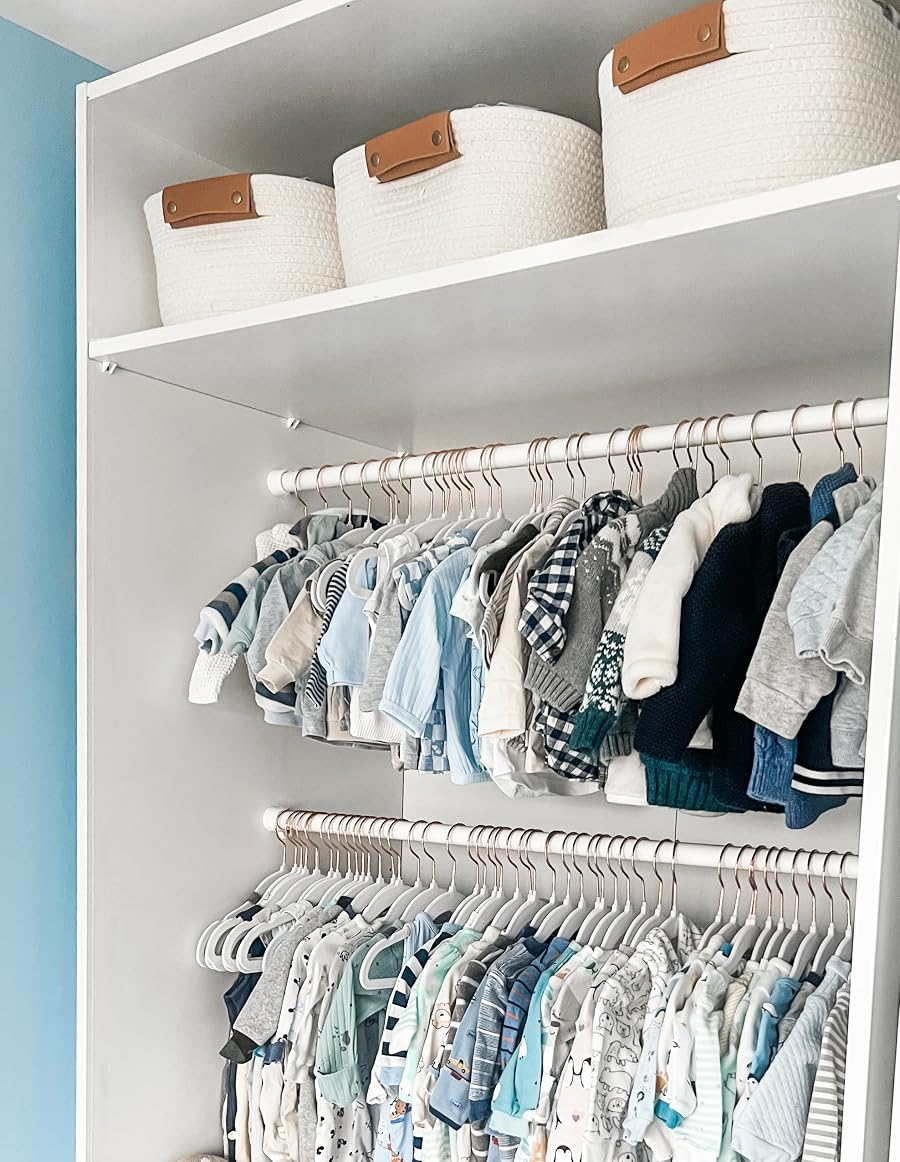
Before ordering baskets, figure out what you’re storing. Small drawer dividers can separate sleepers, socks and washcloths, while a washable bin can hold spare sheets. Measure your drawers and shelves first so you don’t end up with beautiful containers that don’t fit. You can reuse clean organizers from elsewhere in your home and add simple labels. Keep everyday supplies accessible to you and any hazardous items out of your child’s reach. Coordinated storage can help the room feel finished while making the practical side of baby care easier.
8. Add Texture Around the Room, While Keeping the Crib Clear
A nursery can feel warm and inviting through wood finishes, a securely placed rug or textured storage. You don’t need decorative bedding to create that feeling. Health Canada recommends a firm, flat sleep surface with a properly fitted sheet, without pillows, blankets, bumper pads or stuffed toys in the crib. Place the crib away from windows and accessible cords, including those on blinds, lamps and baby monitors. Let the room carry the decorative details while the sleep space stays simple.
9. Leave Room for the Nursery to Grow With Your Child
Before buying a decorative piece, ask whether you’ll still like it in a toddler’s room or another part of your home. A simple dresser, cheerful artwork and versatile colours can work beyond the baby stage. You can introduce a playful interest later through a few smaller accessories rather than replacing the entire room. It’s also okay to leave some walls empty. Once you’ve used the room, you’ll have a clearer idea of whether you need another storage bin or simply prefer a little breathing room.
What Should You Splurge on and Save on in a Nursery?
Prioritize safe, suitable essentials and furniture you’ll use regularly. Decorative extras such as art, matching storage and themed accessories are places to simplify, reuse or buy gradually. An expensive crib isn’t automatically safer than a less expensive compliant model, so compare safety requirements and practical features rather than assuming the price tells you everything. Choose a budget that works for your household and keep a little room for the everyday supplies you’ll discover you need.