7 Natural Ways to Manage Anxiety: Holistic Remedies That May Help
Anxiety has a way of creeping up when you least expect it. I’ve struggled with anxiety since my university days, and over the years, I’ve discovered a few natural ways to help manage the stress and overwhelming thoughts that come with it. From yoga and meditation to simple self-care habits, I’m sharing seven holistic remedies for anxiety that have helped me feel more grounded. Everyone experiences anxiety differently, but I hope these tips help you find a little more calm in your everyday life!

1. Try Lavender Essential Oils for Relaxation
I’ll be the first to admit that I was skeptical about essential oils when I received my first diffuser as a Christmas gift. I remember opening the box, seeing all the tiny bottles and wondering whether I’d actually use any of them. A few nights later, I decided to give lavender essential oil a try, and I loved how relaxing the scent made my bedroom feel. Ever since, lavender has been one of my favorite scents to incorporate into my evening wind-down routine. While research into aromatherapy and anxiety is still developing, some studies suggest lavender aromatherapy may help certain people feel calmer, although results vary and it isn’t a proven treatment for an anxiety disorder. If you enjoy soothing scents, try using a diffuser according to its instructions or choosing a lavender-scented product designed for relaxation. Just remember that essential oils are highly concentrated, can irritate skin or airways and shouldn’t be ingested. Avoid putting undiluted oils directly on your pillow or skin, and be especially cautious around pets and young children. For me, it’s less about the oil itself being a cure and more about creating a peaceful environment that signals it’s time to unwind.
2. Eat Balanced Meals and Stay Hydrated
Let’s talk about food for a second because I know how easy it can be to fall into a routine of skipping meals, grabbing another iced coffee and eating whatever is most convenient. Been there! Over the years, I’ve noticed that I tend to feel better overall when I’m eating regularly, drinking enough water and making time for balanced meals. Although there’s no single diet that cures anxiety, good nutrition supports your physical health and may help you feel more stable throughout the day. Instead of putting pressure on yourself to eat perfectly or eliminate entire food groups, focus on small, realistic changes. Try incorporating more fruits, vegetables, whole grains, protein and satisfying meals into your routine. I also recommend paying attention to your caffeine intake, especially if coffee tends to make you feel jittery or increases your heart rate. You don’t necessarily need to give up your beloved morning latte, but experimenting with smaller servings or switching to decaf later in the day might be helpful. Staying hydrated is another easy habit worth prioritizing, particularly if you’re busy and constantly on the go. The goal isn’t to follow a restrictive clean-eating plan; it’s to nourish your body in a way that feels sustainable and supportive.
3. Practice Gentle Yoga to Release Tension
If you’re anything like me and don’t always feel motivated to hit the gym, yoga can be such a lovely alternative! One of the things I appreciate most about yoga is that it combines gentle movement, stretching and mindful breathing, making it a great addition to a stress-management routine. Anxiety can sometimes leave your muscles feeling tense, your shoulders tight and your body restless, so taking a little time to move and stretch can feel incredibly refreshing. Research suggests yoga may help reduce anxiety symptoms for some people, although it isn’t a replacement for evidence-based treatment when anxiety is persistent or severe. If you’re new to yoga, I recommend starting with a beginner-friendly class, gentle yoga or restorative yoga. Restorative sessions often involve slower movements, supported poses and opportunities to focus on your breathing, which can be especially appealing when you’re feeling overwhelmed. You don’t need to be flexible, own expensive workout clothes or commit to an hour-long class to get started. Even ten or fifteen minutes of gentle movement at home can be a manageable way to build a relaxing routine.
4. Use Meditation and Mindfulness to Calm Racing Thoughts
Meditation is another practice I’ve explored as part of my anxiety-management routine, and I love how accessible it can be. You don’t need any fancy equipment, a perfectly quiet home or hours of free time to get started. Sometimes all you need is a comfortable place to sit and a few minutes to focus on the present moment. When I’m feeling especially overwhelmed, I enjoy listening to calming background sounds, like rainfall or thunderstorms, while following a short guided meditation. There are plenty of beginner-friendly meditation videos and audio recordings available online, and I usually prefer sessions around ten minutes long. One thing I’ve learned is that meditation isn’t necessarily about completely clearing your mind of every thought. Instead, mindfulness encourages you to notice your thoughts and feelings without getting caught up in them, gently bringing your attention back to your breathing or surroundings. Research suggests mindfulness-based practices can help reduce anxiety symptoms for some people, particularly when practiced consistently. If sitting quietly makes you feel more anxious, you can also try a walking meditation, gentle movement or a simple grounding exercise. There’s no need to force yourself into a technique that doesn’t feel helpful.
5. Book a Relaxing Massage to Ease Muscle Tension
Have you ever noticed how much tension you carry in your body when you’re stressed? For me, anxiety can sometimes show up as tight shoulders, a stiff neck or that uncomfortable feeling of being physically wound up. That’s one of the reasons I’ve enjoyed incorporating massage therapy into my self-care routine over the years. A relaxing massage can be a wonderful way to take a little time for yourself, and some research suggests massage may help reduce short-term stress or anxiety symptoms in certain settings. However, evidence is limited, and massage shouldn’t be considered a treatment for an anxiety disorder on its own. While I originally gravitated toward deep tissue massage, I’ve learned that stronger pressure isn’t always better, especially when your body is already feeling sensitive or tense. A gentler relaxation massage may be a better choice depending on your comfort level and needs. If you’re considering booking an appointment, speak with a qualified massage therapist about your preferences and any relevant health concerns. You can also check whether your health benefits include massage therapy coverage. Sometimes having a little time dedicated entirely to relaxation is exactly what you need after a busy week!
6. Create a Calming Tea and Bedtime Routine
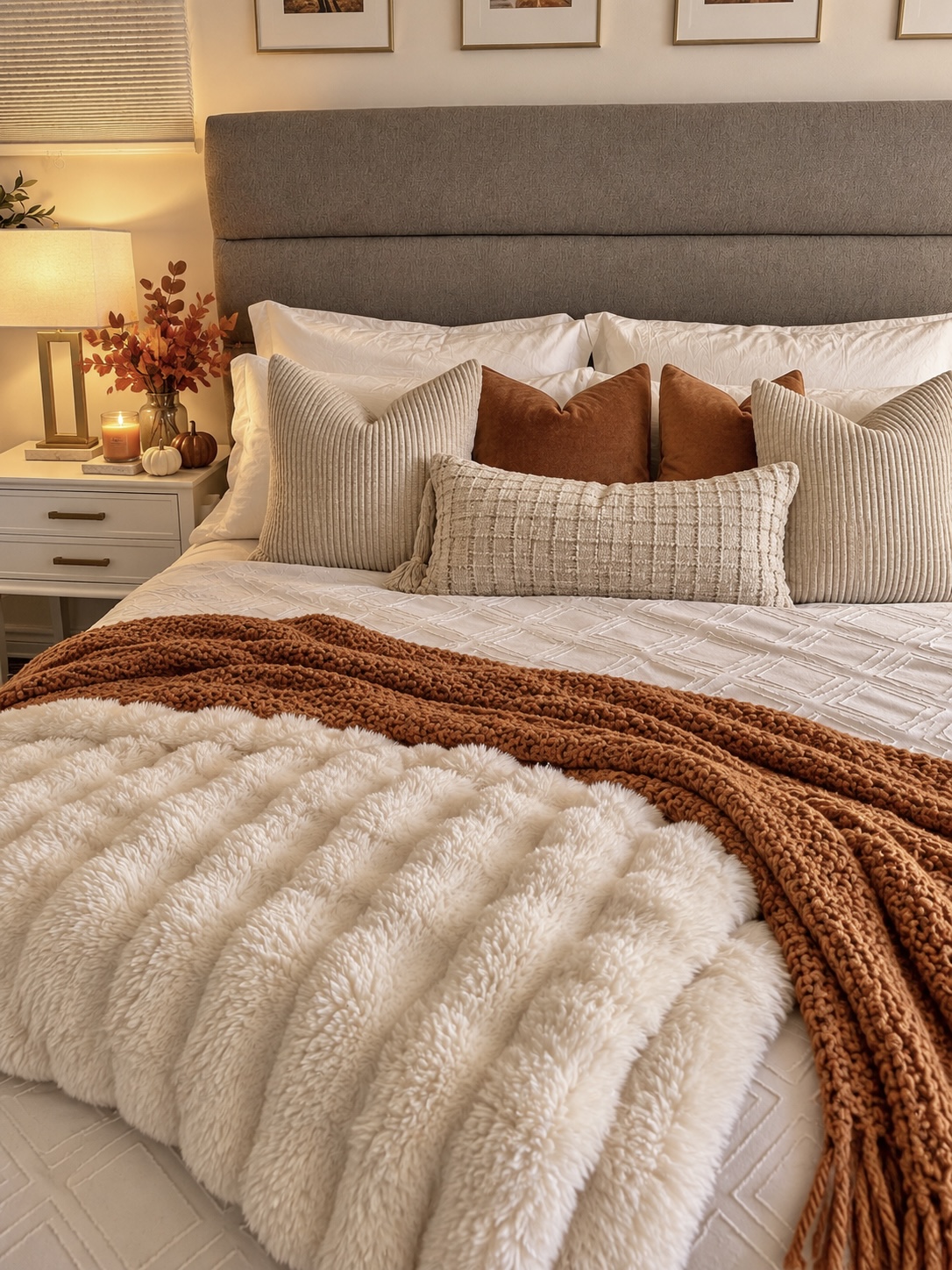
There’s something about curling up in bed with a warm cup of tea that instantly makes an evening feel a little more peaceful. I love creating small nighttime rituals that help me transition from a busy day into a more relaxed state of mind, especially when my thoughts feel like they’re moving a mile a minute. Green tea was one of my original favorites because I enjoyed the comforting routine of making a warm drink and taking a few quiet moments to myself. However, green tea contains caffeine, which can worsen anxiety or interfere with sleep for some people, so it may not be the best choice right before bed. These days, I’d recommend considering a caffeine-free herbal tea if you’re looking for a soothing nighttime beverage, while checking ingredients for potential medication interactions. The real benefit may come from the ritual itself: putting your phone away, dimming the lights, getting comfortable and giving yourself permission to slow down. You can also pair your evening routine with a few minutes of gentle stretching, reading or listening to relaxing music. Creating consistent sleep habits can support your overall well-being, and having a predictable bedtime routine may make stressful evenings feel a little more manageable.
7. Build a Strong Support System and Consider Therapy
If there’s one thing I want you to take away from this post, it’s that you don’t have to manage anxiety all by yourself. Anxiety can feel incredibly isolating, especially when the people around you don’t fully understand what you’re experiencing. Over the years, I’ve learned how important it is to surround yourself with supportive people who listen without judgment and respect what you’re going through. Whether that’s your partner, family, close friends or an online support community, having someone you trust can make difficult days feel a little less overwhelming. It can also be incredibly helpful to speak with a qualified mental health professional, especially if anxiety is interfering with your sleep, relationships, work or everyday activities. Therapy can help you better understand your anxiety triggers, develop practical coping strategies and learn how to respond to anxious thoughts in healthier ways. Cognitive behavioural therapy (CBT), for example, is an evidence-based treatment for several anxiety disorders. If you’re looking for professional support, you can explore resources such as generalized anxiety therapy in NYC or search for a licensed mental health professional in your own area. Asking for help isn’t a sign that you’ve failed at managing your anxiety; it’s simply another way of taking care of your mental health.
How to Calm Anxiety Naturally in the Moment
While long-term habits like exercise, mindfulness and healthy sleep routines can be helpful, sometimes anxiety hits when you’re least expecting it and you need something simple to try right away. When I’m feeling overwhelmed, I find it helpful to focus on one small, manageable action rather than trying to solve everything at once. You might try slowing your breathing without forcing deep breaths, placing your feet firmly on the floor or using the 5-4-3-2-1 grounding technique to reconnect with your surroundings. This involves noticing five things you can see, four things you can feel, three things you can hear, two things you can smell and one thing you can taste. You can also try stepping outside for a little fresh air, drinking some water or reaching out to someone you trust. These techniques won’t necessarily stop every anxiety episode, but they may help you feel more grounded while the intensity passes. If a particular breathing or grounding exercise makes you feel worse, it’s okay to stop and try something different.
Can Holistic Remedies Really Help With Anxiety?
Holistic anxiety remedies can be helpful as part of a broader mental wellness routine, but it’s important to have realistic expectations. Practices like yoga, mindfulness, regular physical activity and healthy sleep habits have some evidence supporting their role in managing stress and anxiety symptoms. Other approaches, such as essential oils, massage and certain herbal products, have more limited or mixed evidence. What works for one person may not work for another, and natural doesn’t automatically mean safe or effective. If you’re experiencing frequent panic attacks, ongoing worry or anxiety that’s affecting your quality of life, consider speaking with a healthcare professional about evidence-based treatment options. Therapy and medication can be effective, and you don’t need to choose between professional care and supportive lifestyle habits. For many people, a combination of approaches works best.