How to Upgrade Your Next Event With Custom Inflatable Mattresses
You can customize water bottles, tote bags, pajamas and approximately everything else these days—so why not an inflatable mattress? Custom inflatable mattresses are one of those unexpectedly fun finds that can work for everything from camping weekends and girls’ trips to weddings, trade shows and major brand events. Add your own colours, logo or design and suddenly something completely practical becomes part of the aesthetic.
Make Your Next Camping Trip Way Cuter
Camping girlies, hear me out. You can love nature and still want somewhere comfortable—and cute—to sleep. A custom inflatable mattress can add a little personality to your tent or glamping setup while giving you a more comfortable place to crash after a day outdoors. Choose colours that match your camping gear, add your name or initials or create matching mattresses for a group trip. Imagine matching mattresses, cozy blankets, string lights and morning coffee outside the tent. Camping, but make it Pinterest.
Create the Ultimate Girls’ Trip Setup
If you’re renting a cottage, cabin or Airbnb with a big group, chances are somebody is getting assigned the air mattress. Why not make it part of the fun? Custom mattresses could be created for birthday weekends, girls’ trips, family reunions or bachelorette parties. Add names, inside jokes, matching colours or even a theme for the weekend. They’re especially fun if you’re creating a cute shared sleeping space—and yes, matching mattresses absolutely deserve a spot in the group photo.
Give Wedding Weekends a Fun Twist
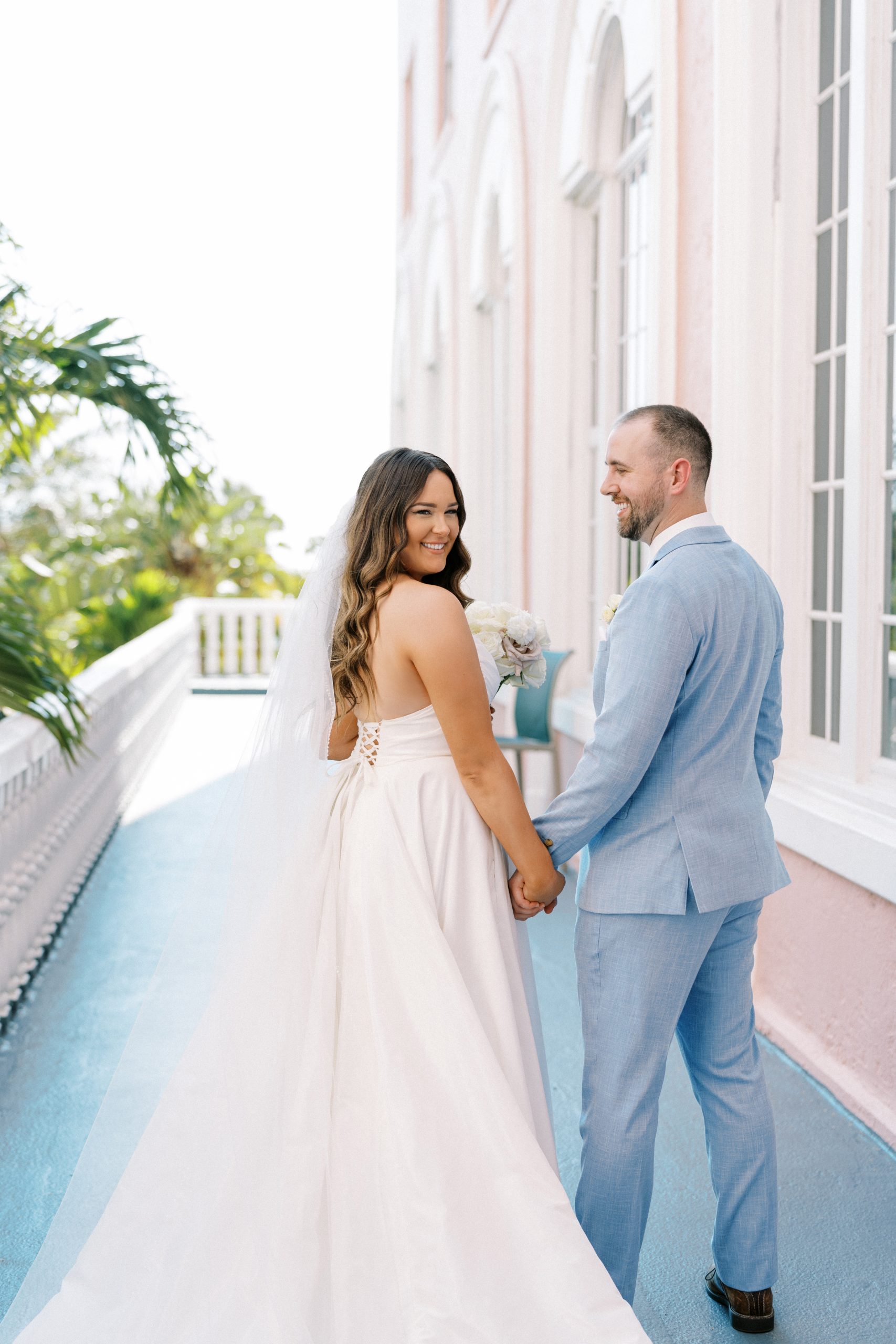
Weddings increasingly feel like full weekends rather than one-day events, especially when friends and family are sharing cottages, cabins or vacation rentals. Custom inflatable mattresses can provide extra sleeping space while still fitting into the wedding aesthetic. Think initials, the wedding date or a simple design using the couple’s colours. They could also be a fun addition to glamping weddings or outdoor celebrations where guests are staying on-site.
Make Your Brand Event More Instagrammable
For businesses, custom inflatables can basically double as functional décor. Trade shows, corporate retreats, festivals, influencer trips, product launches and experiential events are all opportunities to turn something ordinary into another branded moment. Instead of a generic inflatable mattress, imagine one featuring your brand colours, logo or campaign graphics. Depending on the setup, it could become part of a lounge area, display or photo-worthy activation. The trick is making the design feel like it belongs at the event rather than randomly adding a giant logo. Coordinate the colours and graphics with your signage, displays and overall aesthetic for a much more polished look.
Get Creative With Your Design
This is where you can have some fun. Think brand colours and logos, names or initials, wedding dates, event hashtags, cute sayings, custom patterns or product graphics. Keep the overall design relatively simple if you want it to photograph well. Bold colours, larger graphics and easy-to-read lettering can make more of an impact than trying to squeeze every possible detail onto one mattress.
Take Care of It So You Can Actually Reuse It
The material your mattress is made from determines almost every maintenance decision you’ll make. Products designed for outdoor use, such as UV-resistant custom inflatable mattresses, are made to better handle things like sun exposure and temperature changes, but even durable inflatables need consistent care to stay in good condition. Ignoring basic maintenance can lead to faster wear—which is especially frustrating when you’ve spent time creating a custom design you love. After using your mattress, clean away dirt or spills according to the manufacturer’s instructions and make sure it’s completely dry before storing it. Keep it away from sharp objects and avoid leaving it sitting outside unnecessarily. When the party or camping weekend is over, store it somewhere clean and dry so it’s ready for its next appearance.
Custom Inflatable Mattress Ideas ✨
☐ Camping + glamping trips
☐ Girls’ weekends
☐ Bachelorette parties
☐ Wedding weekends
☐ Festivals
☐ Trade shows
☐ Corporate retreats
☐ Influencer trips
☐ Brand activations
☐ Product launches
Basically, if you’re already going to use an inflatable mattress, you might as well make it cute. Whether you’re planning a cozy camping weekend or an event designed to end up all over Instagram, customizing an inflatable mattress is a surprisingly fun way to add comfort, personality and something guests probably haven’t seen a million times before.