How to Keep Your Home Cozy and Healthy This Winter: 8 Simple Tips
When temperatures drop, there’s nothing better than coming home to a warm, cozy space. But between chilly floors, dry indoor air, dusty surfaces, and windows that stay closed for days, keeping your home comfortable during the colder months can feel like another full-time job. If you’re wondering how to keep your home cozy in winter, the good news is that you don’t need an expensive renovation or an elaborate cleaning schedule to make a difference. A few thoughtful changes can make your living spaces feel warmer, more inviting, and healthier for the whole family. From stopping cold drafts to improving indoor air quality and maintaining your heating system, these eight simple winter home comfort tips are easy enough to fit around busy mornings, family routines, and everything in between.
1. Seal Drafts Around Windows and Doors
Before turning up the thermostat, check whether warm air is escaping through small gaps around your home. Run your hand around window frames, exterior doors, and the bottom of your front door on a windy day. If you feel a stream of cold air, you’ve found a good place to start. Adhesive weatherstripping can help seal moving doors and windows, while a door draft stopper is an affordable solution for gaps near the floor. Small cracks around stationary trim may be suitable for caulk. Thermal curtains can also add another layer of comfort on especially cold evenings. Open them during sunny winter days to let natural warmth inside, then close them after dark to help keep rooms feeling cozy. These inexpensive winter home improvements can make drafty rooms more comfortable without requiring major renovations. Plus, reducing unwanted drafts may help your heating system maintain a more consistent indoor temperature.
2. Keep Indoor Humidity at a Comfortable Level
Winter heating often leaves indoor air feeling unusually dry, especially when temperatures outside drop below freezing. Static shocks, dry skin, and irritated nasal passages can all make an otherwise warm room feel uncomfortable. Rather than guessing whether your home needs more moisture, use a small hygrometer to monitor indoor humidity levels. The Environmental Protection Agency (EPA) generally recommends keeping indoor relative humidity between 30% and 50%. A properly maintained humidifier can help add moisture when readings are low, but more humidity isn’t always better. If you notice condensation collecting on cold windows or walls, reduce the humidity setting and address any dampness. Keeping your humidifier clean is just as important as using it. For portable models, the EPA recommends unplugging the unit before maintenance, emptying and drying the tank, refilling it with fresh water daily, and cleaning it every third day. Always follow the manufacturer’s cleaning instructions and rinse thoroughly after using cleaning products. Central and console humidifiers should follow their manufacturer’s maintenance schedules. If your system uses replaceable humidifier filters or water panels, inspect them regularly for buildup and replace them according to the manufacturer’s recommendations. When appropriate for your model, distilled water can also help reduce mineral deposits. Maintaining balanced humidity is a simple way to support a healthier, more comfortable home throughout winter.
3. Let Fresh Air Circulate Even When It’s Cold
When winter temperatures drop, it’s tempting to keep every window shut until spring. However, cooking, showering, cleaning, and other everyday activities can introduce moisture and pollutants into your indoor air. Many forced-air heating systems primarily recirculate indoor air rather than bringing in fresh air, unless they include a separate outdoor-air intake or ventilation system. This makes proper ventilation an important part of maintaining good indoor air quality during winter. On days when outdoor air quality and weather conditions allow, briefly opening a window can help increase ventilation without leaving it open all afternoon. Use a kitchen exhaust fan that vents outdoors while cooking, and turn on the bathroom fan during and after hot showers to help remove excess moisture. These small habits can make your home feel fresher and more comfortable, even when you’re spending most of your time indoors. You don’t need to leave windows wide open for hours to make ventilation part of your winter home routine.
4. Keep Dust and Indoor Allergens Under Control
Spending more time indoors during winter often means more dust, pet dander, crumbs, and everyday debris collecting around the house. Between kids, pets, and busy family schedules, keeping everything spotless isn’t exactly realistic. Thankfully, you don’t need to deep-clean your entire home every weekend to maintain a healthier living environment. Focus on vacuuming high-traffic areas, rugs, and upholstered furniture regularly, especially where pets like to nap. A vacuum equipped with a high-efficiency particulate air (HEPA) filter can help trap fine particles, while a slightly damp microfiber cloth is ideal for wiping down shelves and other surfaces without sending dust back into the air. Washing bedding, pillow covers, and frequently used throw blankets according to their care labels can also help reduce the buildup of dust and allergens. Don’t forget to check your heating, ventilation, and air conditioning (HVAC) filter according to the manufacturer’s recommendations. Replacing a dirty filter helps your heating equipment work as intended and supports household air filtration. These simple winter cleaning habits can make a noticeable difference without adding hours of housework to your already busy schedule.
5. Create Cozy Spaces With Layers and Soft Textures
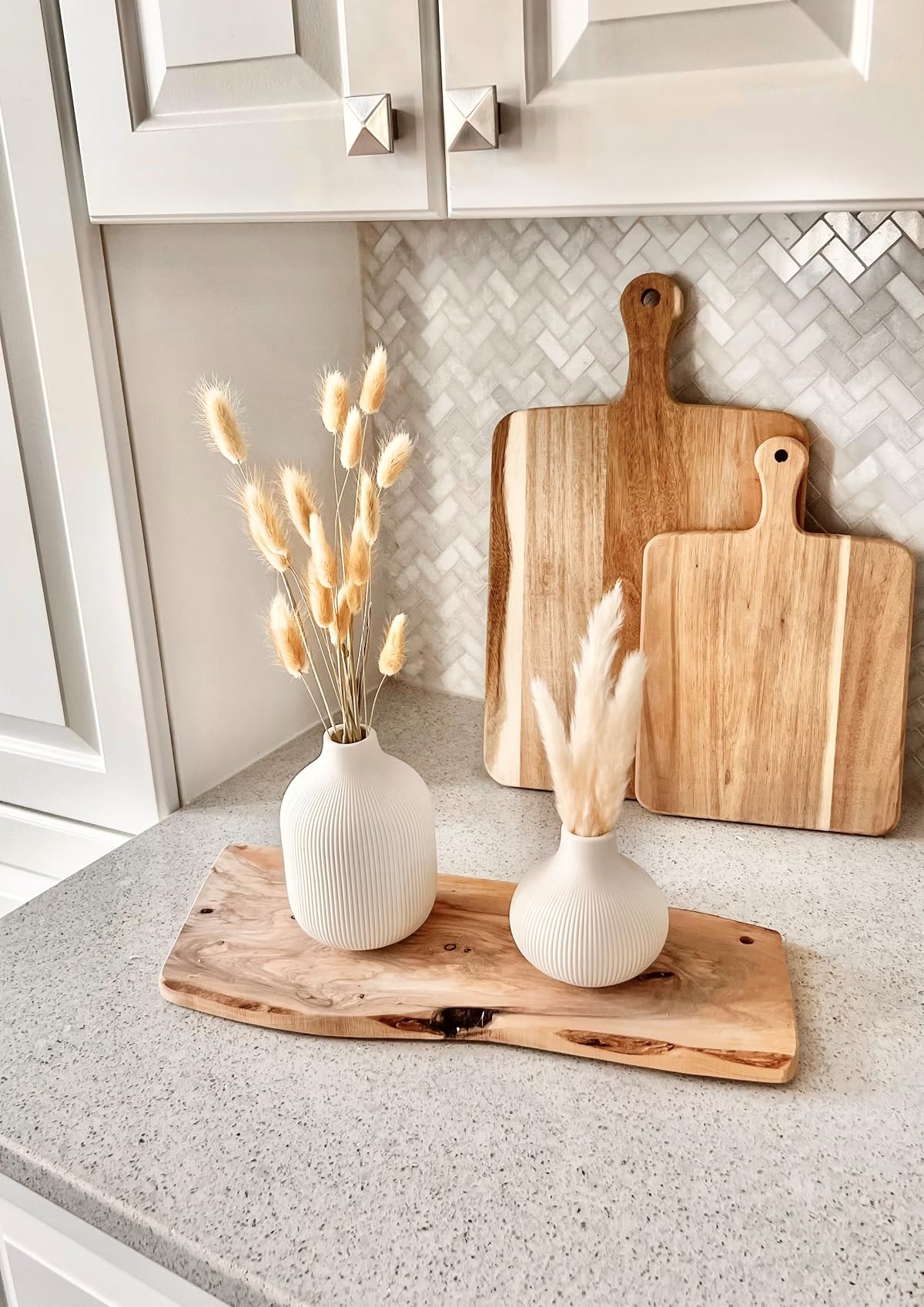
One of the best parts of winter is having an excuse to make your home feel extra cozy. And the good news? Creating a warm, inviting space doesn’t always require turning up the thermostat or spending a fortune on new decor. Sometimes, the biggest comfort upgrade comes from adding a few soft textures and thoughtful details to the rooms you use most. Try layering a washable throw blanket across the sofa, placing a plush area rug beside the bed, or switching to warmer bedding for chilly nights. These small changes can make your home feel more comfortable while adding that cozy winter aesthetic we all love. Lighting can also completely change the atmosphere of a room. Swap harsh overhead lighting for warm-toned lamps, and consider turning an unused corner into a little reading nook with a comfortable cushion and a basket of books. If you have young children or pets, choose blankets and pillow covers that are easy to wash. Just remember to keep blankets, curtains, furniture, and other combustible materials at least three feet away from portable heaters, and follow the manufacturer’s clearance instructions for other heat sources. Electric space heaters should always be plugged directly into a wall outlet and turned off before leaving the room or going to sleep. The goal isn’t to create a perfectly styled Pinterest home. It’s to make your space feel welcoming, relaxing, and comfortable for everyone.
6. Make the Most of Your Heating System
Keeping your home warm during winter doesn’t necessarily mean cranking up the heat all day. A few small adjustments can help your heating system work more efficiently while maintaining a comfortable temperature throughout your home. A programmable or smart thermostat can make it easier to plan heating around your family’s daily routine, whether that means comfortable mornings before work and school or cozy evenings spent relaxing on the couch. Adjust temperature settings based on your heating equipment and household needs rather than making drastic changes that could affect comfort or efficiency. Take a few minutes to make sure furniture, thick curtains, and storage boxes aren’t blocking supply vents or return grilles. If your ceiling fan has a winter setting, running it clockwise at a low speed may help circulate warm air that collects near the ceiling. Scheduling seasonal heating maintenance is another important part of winter home care. Pay attention to unusual noises, inconsistent temperatures, or rooms that never seem to warm up properly. A little preparation can help prevent inconvenient heating problems during the coldest months of the year.
7. Choose Simple Cleaning Habits for a Healthier Home
Keeping your home clean during winter doesn’t have to mean spending your entire weekend scrubbing every surface. In fact, small daily cleaning habits are often easier to maintain than an overwhelming deep-cleaning schedule. Wipe down kitchen counters after meals, clean up spills promptly, and regularly tackle frequently touched surfaces like doorknobs, light switches, and cabinet handles. These quick tasks can help keep shared family spaces feeling fresh without taking up too much of your day. When choosing household cleaning products, look for options that are appropriate for the surfaces you’re cleaning. Fragrance-free products may be a better choice if someone in your household is sensitive to strong scents. Air fresheners and heavily fragranced sprays can introduce additional chemicals into indoor air, so keeping surfaces clean and improving ventilation are often better starting points than simply covering up unwanted odors. Always store cleaning products securely away from children, follow label directions, and never mix household chemicals. If you’re looking for an easy way to keep clutter under control, try introducing a ten-minute family tidy before bedtime. Getting everyone involved can make winter cleaning feel a lot more manageable.
8. Build a Simple Winter Home Maintenance Routine
The easiest winter home maintenance routine is one you can actually stick with. Rather than saving every household task for one exhausting Saturday, focus on a few quick checks each week and rotate through larger maintenance tasks throughout the month. Start by walking around your home and checking windows and doors for drafts, especially after particularly windy weather. Keep an eye on your hygrometer and look for condensation on windows or damp patches that could indicate excess moisture. If you use a humidifier, keep its cleaning and water-changing schedule somewhere visible so regular maintenance doesn’t get overlooked. Pay attention to how your heating system is running, and inspect or replace filters according to the manufacturer’s recommended schedule. Test smoke and carbon monoxide alarms monthly using their test buttons, and make sure they’re installed in the appropriate locations. Professional servicing is always the safest option for heating equipment rather than attempting unfamiliar repairs yourself. You can also make winter home maintenance a family effort by sharing age-appropriate responsibilities. Younger kids can help fold throw blankets or put shoes away, while older children can tidy common areas. Small, consistent habits can go a long way toward maintaining a cozy, healthy home, while persistent dampness, drafts, or heating problems may require professional attention.
How to Keep Your Home Cozy and Healthy All Winter Long
Creating a warm, comfortable, and healthy home during winter doesn’t have to involve expensive upgrades or an endless cleaning checklist. Sometimes, the smallest changes make the biggest difference. Sealing drafts, maintaining comfortable humidity levels, improving indoor air quality, and staying on top of basic home maintenance can help your family feel more comfortable throughout the colder months. Whether you’re spending cozy evenings watching movies, enjoying slow weekend mornings, or simply trying to keep up with everyday family life, your home should feel like a place where you can relax and recharge. Start with one or two of these winter home comfort tips, focus on the changes your family will notice most, and build a simple routine that works for your lifestyle. After all, keeping your home cozy and healthy this winter should make life easier, not give you another full-time job.