Create a Home That Feels as Good as It Looks
Your home isn’t just where you sleep, eat and binge The Office. It can seriously affect how you feel and function every day. The right setup can make mornings less chaotic, working from home more productive and evenings feel actually relaxing. And no, you don’t need a Pinterest-perfect house to make it happen. Sometimes a few small changes are enough to make your space feel calmer, happier and much more you.
Your Space Affects Your Mood More Than You Think
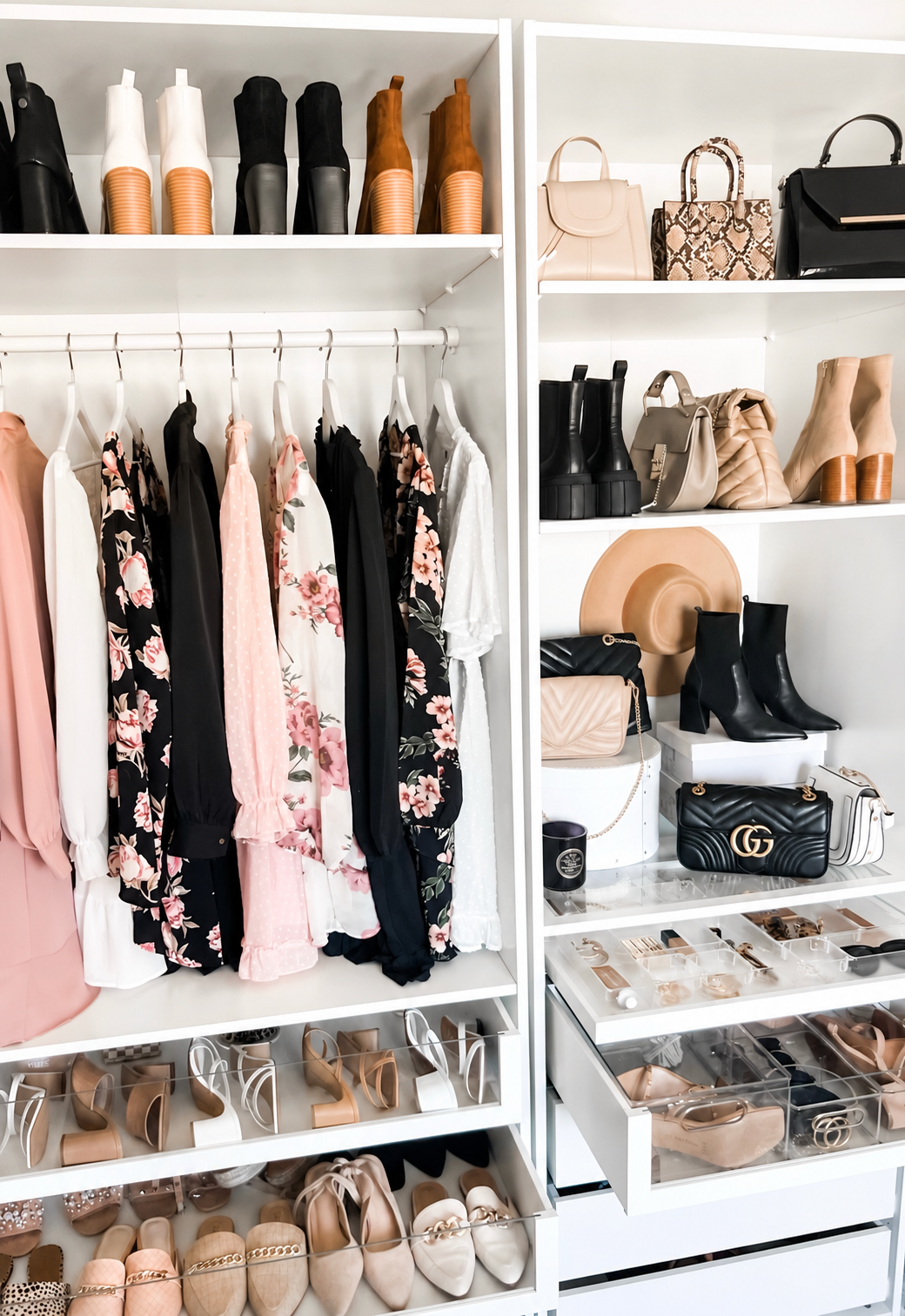
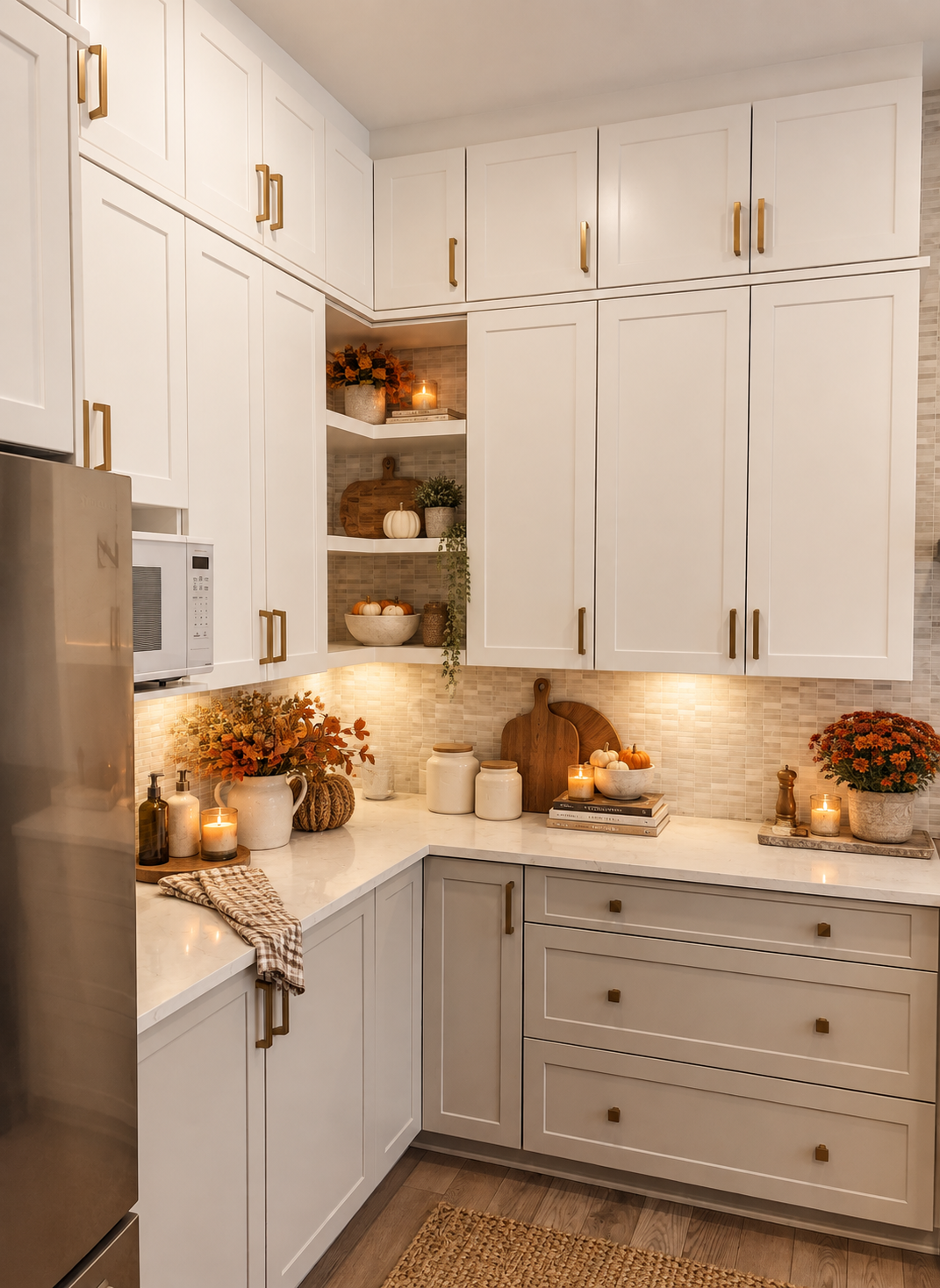
Have you ever walked into a cluttered room and immediately felt overwhelmed? Same. The way your home is set up can make everyday habits either easier or unnecessarily difficult. A cluttered kitchen makes cooking feel like another chore, while an organized workspace can make sitting down and getting things done feel considerably less painful. This matters even more now that so many of us work from home. A House of Lords Library briefing notes that 13% of working adults in Great Britain work from home full-time, while another 26% have hybrid arrangements. When your kitchen table is suddenly also your office, lunch spot and place where random Amazon packages collect, creating some boundaries between different parts of your life can make a huge difference.
A Blank Canvas Can Be Kind of Amazing
Moving into a new home gives you something pretty exciting: a fresh start. Instead of inheriting someone else’s random layout decisions, you can think about how you actually live. Where do you want your morning coffee? Where will you work? Do you need hidden toy storage, a giant pantry or somewhere to escape with your Kindle after everyone goes to bed? New homes at Whiteley Meadows in Hampshire illustrate this well, with layouts and generous glazing designed around modern lifestyles rather than squeezed into an older floor plan. And don’t underestimate natural light. Government guidance on healthy homes highlights daylight as an important consideration for mental and physical well-being.
Create Little Spaces That Make Life Better
You don’t need a dedicated room for every part of your personality. Most of us aren’t working with a 12-bedroom mansion. Instead, create small zones that make your existing routines easier. If you work from home, give yourself a proper workspace—even if it’s just a cute desk tucked into the corner of your bedroom. Create a cozy chair for reading instead of automatically reaching for your phone. Keep a yoga mat somewhere accessible if you’re trying to move your body more often. Think about shared spaces too. A comfortable sofa arrangement can encourage conversation, while a welcoming dining table can make family dinners feel like something you actually want to sit down for. Basically, make the things you want to do easier to do.
Your Home Is Allowed to Change With You
One of the biggest home-design mistakes is assuming every room needs one permanent purpose. Life changes. Your house can too. The nursery becomes a playroom. The playroom becomes a homework space. The guest room becomes your home office, then your workout room, then somehow becomes the room where clean laundry goes to wait indefinitely. It’s all normal. Every once in a while, look around and ask yourself: Does this room still make sense for our life right now? If the answer is no, change it. Move the furniture. Swap rooms. Add storage. Get rid of something you never use.Your home doesn’t have to stay frozen in the version of your life you were living five years ago.
Make Your Home Work for You
Creating a home that supports your lifestyle doesn’t require a massive renovation or an HGTV-sized budget. Sometimes it’s moving your desk closer to a window. Sometimes it’s finally organizing the kitchen cupboard that makes you irrationally angry every morning. Sometimes it’s creating a cozy reading corner, adding better lighting or rearranging the living room so everyone actually wants to hang out there. The goal isn’t a perfect home. It’s creating a space that makes your real, everyday life feel a little easier, calmer and happier. Because your home should be more than somewhere that looks good—it should be somewhere that feels really good to live in.